
Limitations of Using Water Alone for Dust Control in Quarries
Debbie MacDonald • November 25, 2025
Why Water Alone Is Not the Best Solution for Dust Control
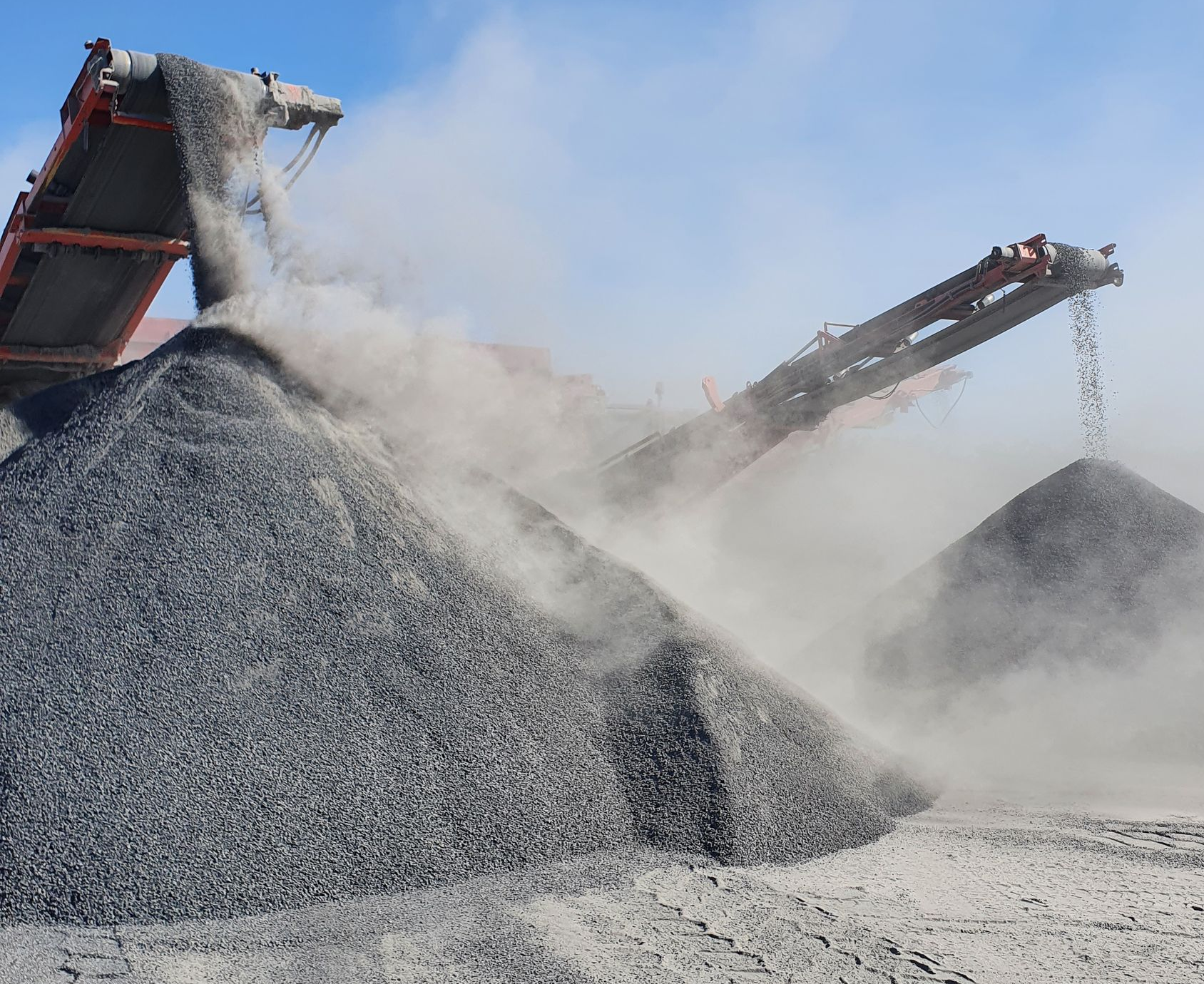
Water alone is not an ideal method for dust control in quarries, even in Australia’s wetter summer regions. Its effectiveness is hindered by rapid evaporation, high surface tension, significant operational costs, and the ongoing challenge of water scarcity.
Challenges in Australian Wet Summer Regions
Even in areas that experience wet summers, relying solely on water for dust suppression presents substantial limitations. Unpredictable rainfall patterns can cause both excessive run-off and intervals of dryness between rain events, making consistent dust control difficult. These fluctuations in moisture lead to unreliable results, and wet conditions may worsen operational issues by creating muddy and unstable surfaces. Such conditions can disrupt productivity and increase the demand for maintenance. Furthermore, environmental regulations may restrict water use or its discharge, emphasising the need for more sustainable and effective dust control solutions that minimise water consumption and offer lasting results.
Practical and Chemical Limitations of Water
- Rapid Evaporation: In hot, dry, or windy conditions, water evaporates swiftly, sometimes in just minutes. This rapid loss requires frequent reapplication, making the process inefficient and costly in terms of labour, fuel, and equipment use.
- High Surface Tension: Water’s high surface tension means it is often repelled by fine, hydrophobic dust particles—such as coal and silica dust. As a result, water is not fully effective at binding the most dangerous fine particulates (PM2.5 and PM10), which can remain airborne and pose serious health risks when inhaled.
- Short-Lived Effect: The benefit of a single water application is fleeting, as water does not bind dust particles for any significant length of time.
Operational and Environmental Drawbacks
- Excessive Water Consumption: Sole reliance on water necessitates large volumes, which can deplete local water tables and is unsustainable in areas facing water scarcity.
- Increased Operating Costs: Frequent watering requires a sizeable fleet of water carts, resulting in high costs for labour, fuel, and maintenance. Staff resources are also diverted from other essential production activities.
- Infrastructure Damage: Regular saturation with plain water can degrade haul roads by washing away binding materials, leading to potholes and increased road maintenance expenses.
- Safety Concerns: Over-watering creates slippery and unsafe road conditions, raising the risk of accidents and causing damage to vehicle tyres.
Superior Alternatives to Water Alone
- To address these challenges, the quarry industry is increasingly adopting the use of water mixed with specialised additives such as surfactants, chloride-based products, or liquid polymers.
- Enhanced Binding: Some agents decrease water's surface tension, allowing it to better wet and hold fine dust particles. Other products create a lasting seal that helps prevent dust from becoming airborne.
- Moisture Retention: some products can absorb moisture from the air, keeping road surfaces damp and reduce dust lift-off.
- Longer-Lasting Results: Dust suppression agents can penetrate and bind soil, coal, limestone, and other materials, preventing dust liberation and drift.
- Cost Effectiveness: By reducing water usage and operational expenses, these methods prove more economical over time.
The evolution of dust management in Australian quarries now hinges on comprehensive, site-specific strategies that integrate technology and operational best practices. Incorporating recycled water solutions not only reduces pressure on local supplies but also supports environmental stewardship. These advances, combined with ongoing monitoring and data-driven adjustments to vehicle movement and suppressant application, enable quarries to meet stringent regulatory standards while fostering safer workplaces. Ultimately, a proactive and holistic approach, balancing innovation with sustainability, ensures effective dust control that protects both people and surrounding ecosystems.
